Siding | Faze Construction Blog
Vinyl siding offers many benefits for homeowners, from enhancing curb appeal to providing reliable durability against harsh elements.
Call (260) 226-8800One of the leading causes of bubbling or warping vinyl siding is improper installation. Vinyl siding is meant to be installed with some flexibility so that it can expand and contract as temperatures change. If it's nailed too tightly, the siding cannot move freely, leading to warping, buckling, and bubbling over time. Proper installation involves allowing enough "give" so the panels can shift slightly with changes in temperature, helping prevent structural stress.
While vinyl siding is designed to withstand high temperatures, extreme or direct heat exposure can still cause it to bubble or warp. There are a few key sources of excessive heat that may lead to this problem:
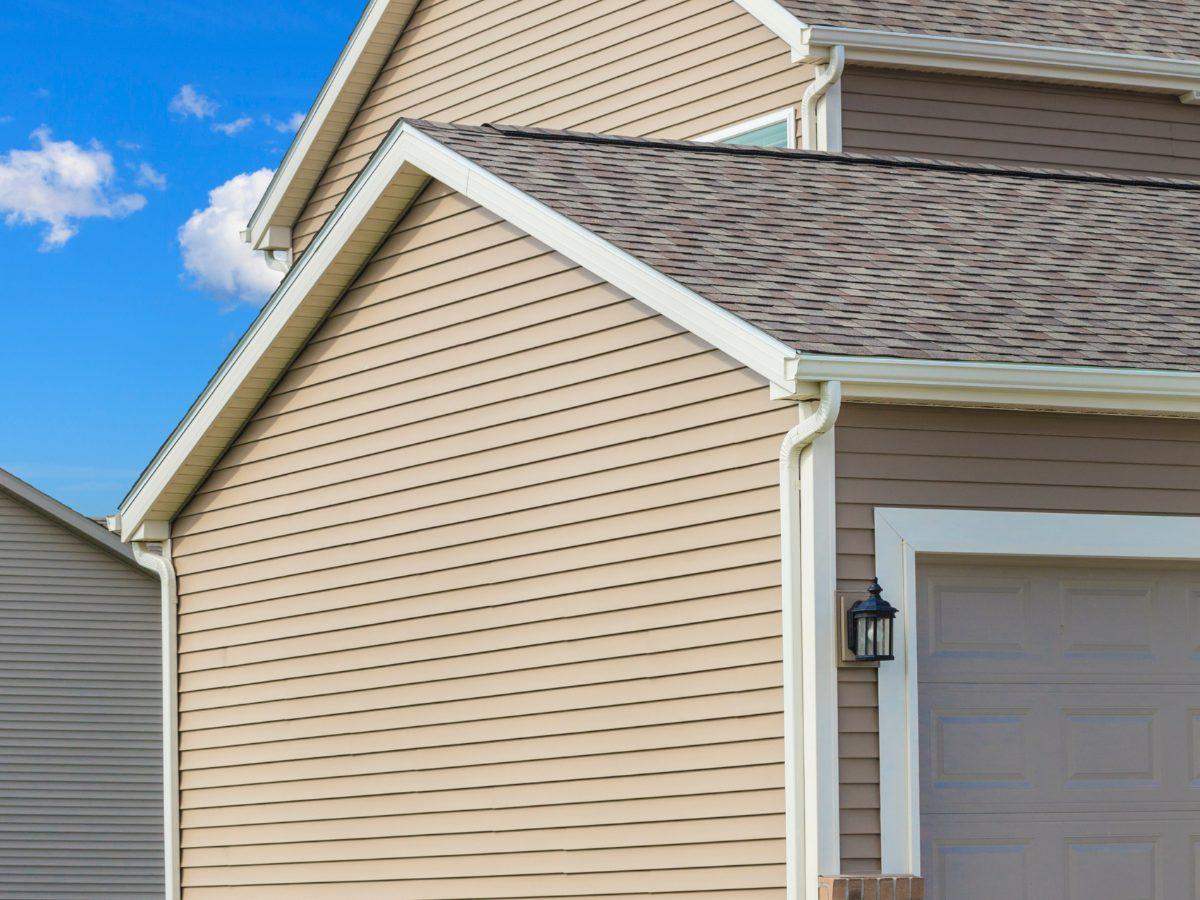
Vinyl siding serves as a protective barrier, but it isn't entirely waterproof. If water seeps behind the siding and becomes trapped, it can create pressure and lead to bulging or bubbling. Proper moisture barriers, house wrap, and correctly installed flashing around windows and doors are critical to preventing water infiltration. Additionally, ensuring proper ventilation in areas like attics and crawl spaces can help reduce moisture buildup within your home's walls.
Although less common, building movement or settling can cause your vinyl siding to bubble or warp. As your home shifts over time, the siding may move out of alignment, leading to areas that appear bubbled or uneven. Older homes, in particular, are susceptible to this type of movement, which may require adjustments to stabilize the structure and realign affected siding.
Vinyl siding can sometimes react to harsh chemicals or high heat, causing it to blister or bubble. Paint, sealants, or chemical cleaning agents applied directly to the siding may lead to unwanted reactions, especially if exposed to high temperatures or strong sunlight afterward. Similarly, heat sources such as outdoor heaters positioned too close to the siding can cause significant damage over time.
If bubbling has already occurred, you'll need to take steps to repair it. Start by identifying and eliminating the root cause. This may involve adjusting installation, moving heat sources, or improving moisture control. Damaged or bubbled panels will likely need to be replaced. Hiring a professional to handle the replacement can ensure proper installation and prevent further problems.
If you've noticed that some of your vinyl siding is bulging or warping, it's important to take action quickly to prevent bigger problems. Vinyl siding is designed to protect your home from the elements, but when it starts to bulge, it can let in moisture, pests, and other unwanted surprises. Here's what you need to know about fixing bulging vinyl siding and keeping your home in Indiana looking its best.
There are several reasons why vinyl siding might start to bulge or warp. Here are the most common causes:
One of the most common reasons for bulging vinyl siding is poor installation. Vinyl siding needs to be hung in a way that allows it to expand and contract with temperature changes. If the siding is nailed too tightly, it can't move properly, leading to buckling and bulging over time. You should be able to slide a piece of siding back and forth slightly. If you can't, it may have been installed too tightly.
Sometimes, bulging can be caused by nearby heat sources. If you have a grill or fire pit too close to your home, the heat can cause the vinyl to warp. Another unexpected source of heat is sunlight reflecting off your neighbor's windows. In these cases, moving your heat source or adding some shade to block the reflection can help prevent further damage.
If water gets trapped behind your vinyl siding, it can cause the material to warp or bulge. This often happens if there isn't proper flashing around windows and doors, or if your home lacks a protective moisture barrier. In Indiana's humid climate, keeping water out is especially important to prevent mold, rot, and other structural issues.
Over time, homes can settle slightly, which can affect the siding. As your house shifts, it can cause the vinyl to buckle or bulge. This is more common in older homes, and if you notice this problem, it may be a good idea to consult a professional to make sure there isn't a bigger structural issue at play.
While rare, pests like termites can cause damage to your home's structure, leading to bulging or warped siding. It's a good idea to inspect your home's exterior regularly to catch any signs of pest problems early.
Fixing bulging vinyl siding depends on the cause of the problem. Here are some steps you can take to repair it:
If the siding wasn't installed properly, you might be able to fix it by loosening the nails holding it in place. This will allow the siding to move freely with temperature changes. Be careful not to pull the siding too far out, as it still needs to be securely attached to your home.
In some cases, the bulging may be too severe to fix with simple adjustments. If the siding has warped or melted from heat damage, the best option is to replace the damaged panels with new ones. Make sure the new panels are installed correctly to avoid the same problem in the future.
If water is getting behind your siding, you'll need to take steps to prevent further damage. This might involve adding a moisture barrier, checking the flashing around windows and doors, or improving your home's drainage to keep water away from the foundation.
If you're not comfortable fixing the problem yourself, or if the issue seems to be related to your home's structure, it's a good idea to call in a professional. They can assess the situation and recommend the best course of action to get your siding back in shape.
Once your bulging vinyl siding is fixed, there are some simple things you can do to prevent it from happening again:
Related service: Siding in Fort Wayne | See your price range on the Pricing page
The most common causes are improper installation, excessive heat, moisture trapped behind the siding, and house movement.
Sometimes. Loose panels can be refastened, but siding damaged by heat or moisture usually needs to be replaced.
Proper installation with room for expansion, good ventilation, and keeping heat sources away from the wall are the best prevention.
4.9 stars from 257 Google reviews. Here is what Fort Wayne homeowners said in their own words.
“Faze inspected my roof and found storm/hail damage and was able to work with my insurance company to get new roof installation. Faze worked for my benefit and provided excellent service. Faze went the extra mile every step of the process and ensured that I was informed and answered any questions that I had along the way. I would recommend them to my closest friends and family!”
Richard Short
“Faze Roofing and Construction came out and gave us an inspection and quote the same day. They were out the next week right before Thanksgiving and had the roof completed within a day. Super happy with the professionalism and work that was done. Their pricing was super competitive! We look forward to using them for our Christmas lights this winter and in the future!”
Maegen Barbour
Tell us about your home and your project. The form takes about two minutes, and a Faze team member follows up to confirm your inspection time.
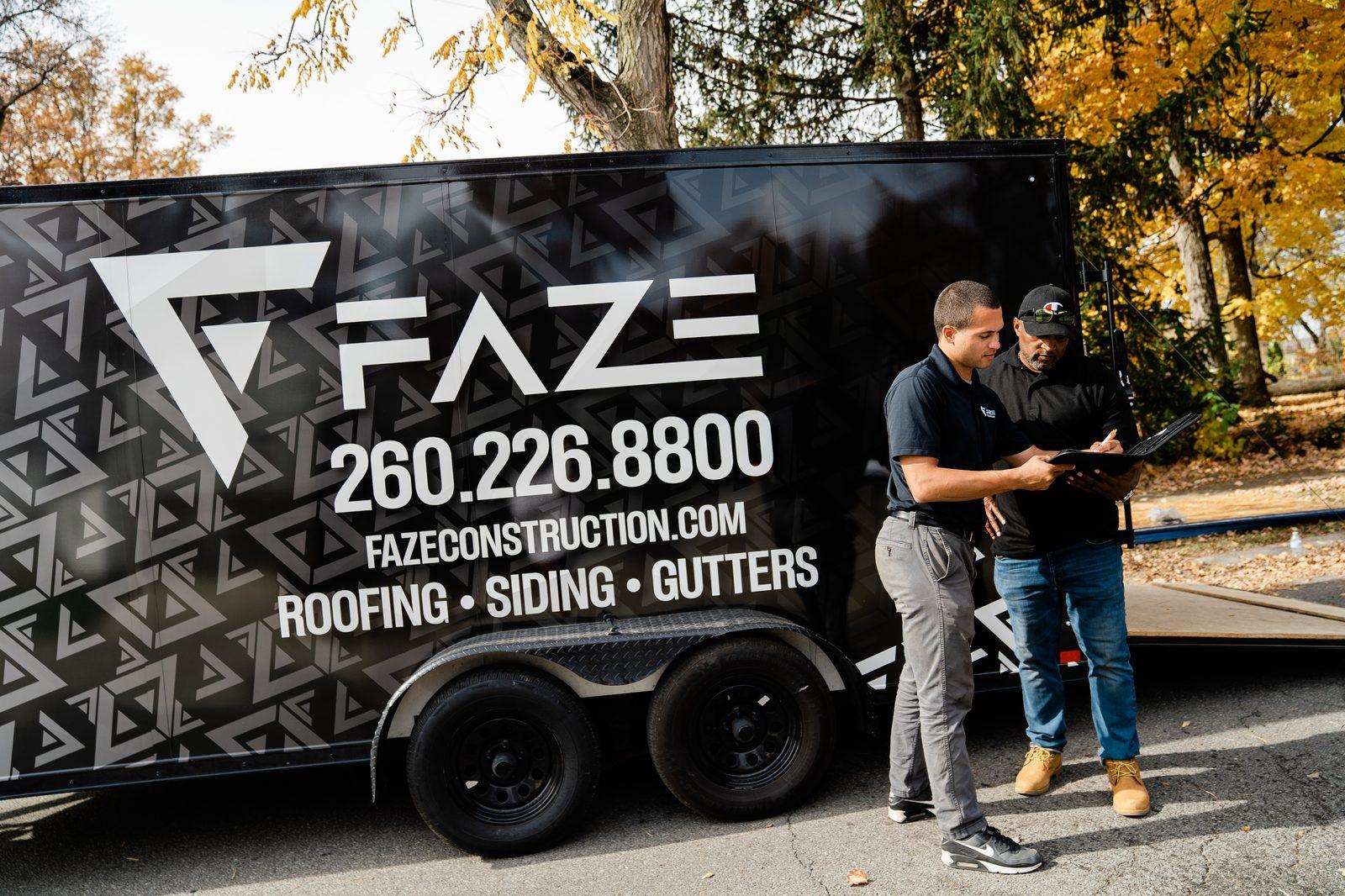
Your inspector takes photos of what they find, walks you through them, and leaves you with a written quote. You decide what happens next.
★ 4.9, 257 Google reviews
See your price range in about a minute, then book a free inspection and get your exact written quote.