Siding | Faze Construction Blog
Learn the most common vinyl and wood siding problems in Fort Wayne, Indiana, including cracking, warping, rot, mold, fading, loose panels, and storm damage.
Call (260) 226-8800When homeowners think about siding, they usually focus on appearance.
They think about:
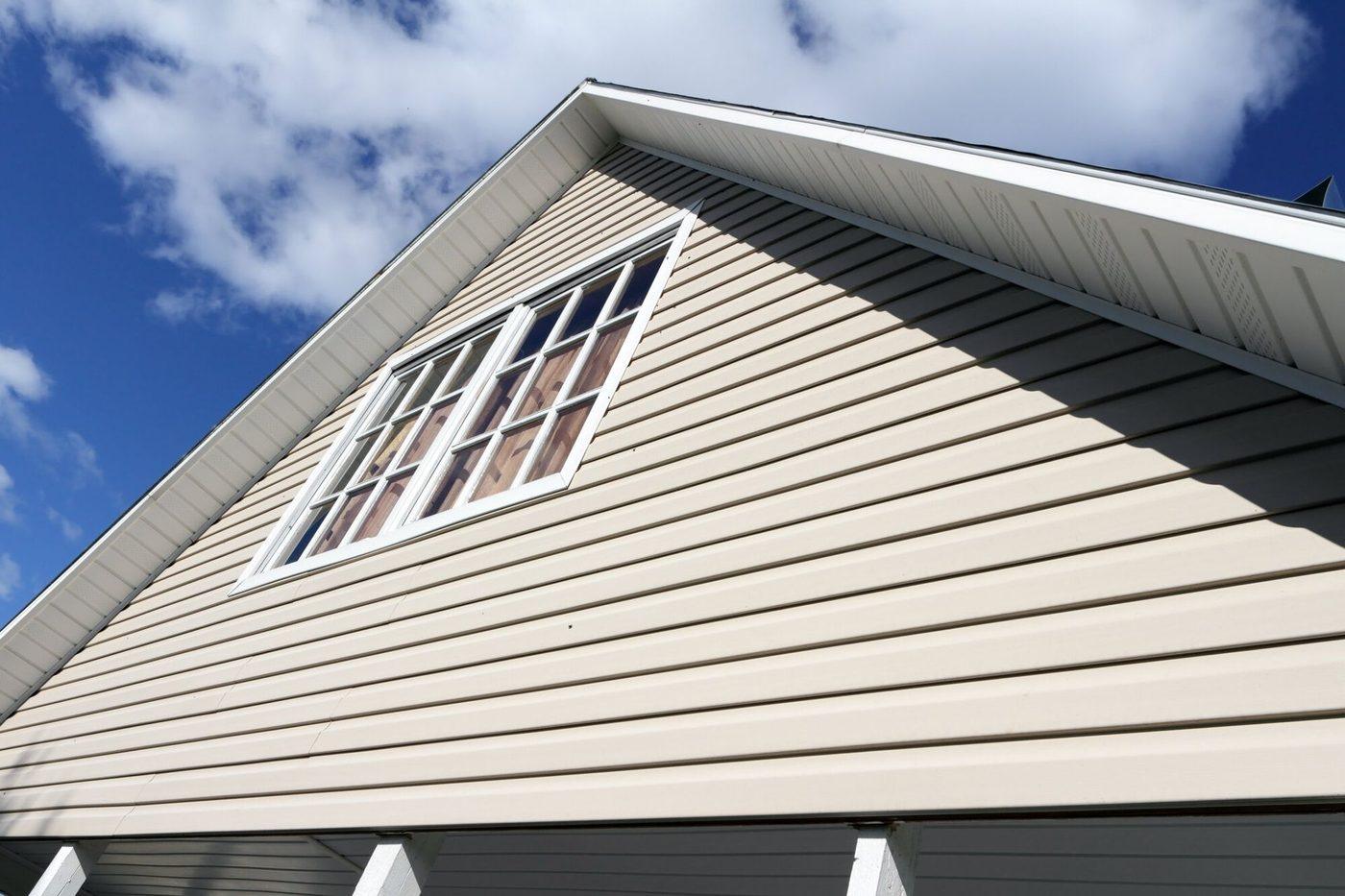
But siding does much more than make your home look good.
Your siding is one of the most important protective systems on your home.
It helps protect against:
At Faze Construction, we help homeowners in Fort Wayne understand that not all siding products perform the same.
Some products are built for short-term affordability.
Others are designed for long-term performance.
Let's break down some of the most common siding problems we see in Fort Wayne, Indiana.
One of the most common issues with standard vinyl siding is chalking.
Chalking happens when a white, powdery residue begins forming on the surface of the siding.
This often happens because lower-grade vinyl siding contains higher amounts of filler materials, commonly calcium carbonate.
Over time, exposure to:
can cause these materials to migrate toward the surface.
The result is fading and a chalky residue on the siding.
This is one reason why premium siding products often cost more: they use better materials engineered for longer-term performance.
Higher-end products typically resist chalking much better.
Another common issue with vinyl siding is warping.
Vinyl siding can begin to deform when exposed to excessive heat.
This commonly happens from:
When temperatures become too high, siding panels can soften and warp.
Once siding warps, it usually cannot be repaired.
It must be replaced.
This is important because heat damage is often not covered under manufacturer warranties.
That surprises many homeowners.
One of the biggest hidden problems with siding is energy loss.
Many homeowners don't realize how much heating and cooling loss happens through exterior walls.
Poor-performing siding systems can allow thermal transfer, causing:
This is especially important in Fort Wayne, where homes experience both cold winters and hot summers.
Insulated siding products can significantly improve thermal performance by helping reduce energy loss.
This is one of the biggest advantages of premium siding systems.
Wood siding offers beautiful curb appeal, but it comes with unique risks.
One of the biggest concerns is pest damage.
In Fort Wayne and surrounding Indiana areas, common wood-damaging pests include:
These pests can damage siding and underlying structures over time.
Unlike vinyl siding, wood siding is more vulnerable to insects, birds, and moisture-related deterioration.
This makes maintenance especially important.
Water intrusion is one of the most expensive siding-related problems homeowners face.
When water gets behind siding, it can cause:
This often happens because of:
The problem is many homeowners don't notice this damage until it becomes severe.
By the time symptoms appear, major repairs may already be needed.
Small openings in siding systems can become entry points for pests.
Common intruders include:
Once pests find entry points, damage can escalate quickly.
This is why proper installation, sealing, and trim work are so important.
A properly installed siding system should help eliminate vulnerable entry points.
Moisture is one of the biggest long-term threats to a home.
When siding systems fail, moisture can become trapped inside wall systems.
That can lead to:
This is why siding isn't just about appearance.
It's about protecting the health and structure of the home.
Not all siding products are created equal.
Some products prioritize lower upfront cost.
Others prioritize:
Higher-performing siding systems often come at a higher upfront investment.
But in many cases, they reduce:
That makes them a stronger long-term investment.
The best way to avoid costly siding problems is to choose the right product and ensure it's installed properly.
At Faze Construction, we help homeowners throughout Fort Wayne choose siding systems built for long-term protection and performance.
We provide:
If you're noticing signs of siding damage, or simply want to upgrade your home's protection, our team can help.
Contact Faze Construction today for a professional siding inspection and learn which siding system is best for your home.
Vinyl siding has become a popular choice for homeowners looking to upgrade their home's exterior. While it offers several benefits like affordability, low maintenance, and a variety of colors and styles, it's essential to understand the potential downsides before making a decision. Here are some of the most common drawbacks associated with installing vinyl siding in Indiana.
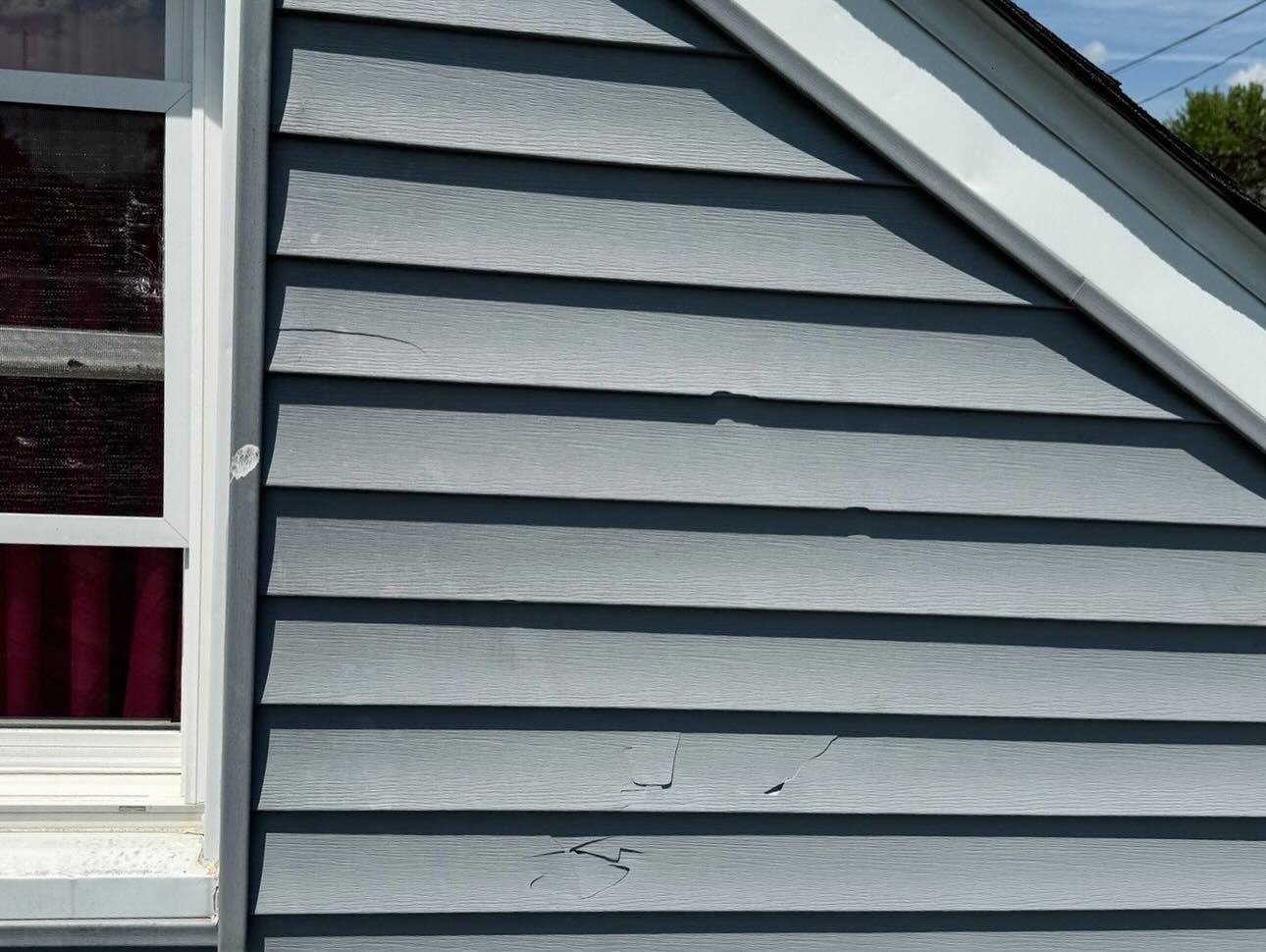
Indiana's climate can vary significantly, with hot, humid summers and cold, snowy winters. Vinyl siding is known to expand and contract as temperatures change. During hot weather, the panels expand, while in colder months, they contract. If the siding is installed without adequate room to move, it can lead to buckling, warping, or even cracks. This issue can compromise the appearance and durability of your home's exterior.
While vinyl siding can last for many years, it is not as strong as other exterior materials such as brick or stone. High winds, flying debris, and severe storms can cause damage to vinyl siding, including dents, cracks, or even complete panel detachment. Homeowners in areas with extreme weather conditions may need to make frequent repairs or consider alternative materials for long-term durability.
Proper installation is critical when it comes to vinyl siding. If not installed correctly, water can seep behind the panels, leading to mold, mildew, and rot in the underlying walls. This is especially concerning in areas like Indiana, where heavy rain or snow can introduce excess moisture. A quality waterproof barrier beneath the siding and expert installation can help mitigate this risk, but improper installation can create serious problems.
Although vinyl siding is cost-effective and can enhance a home's curb appeal, it may not add as much value to a home compared to higher-end materials. Some potential buyers may view vinyl as a lower-quality material, which can influence their purchasing decision. This perception can potentially impact your home's resale value if you decide to sell in the future.
Indiana's weather can expose vinyl siding to prolonged sunlight, leading to color fading over time. While some modern vinyl sidings are treated to resist UV damage, fading remains a concern, especially for darker shades. Additionally, if a panel becomes damaged, it may be difficult to find an exact color match for a replacement, leading to a mismatched appearance.
Vinyl siding itself provides minimal insulation. Without additional insulation layers underneath, your home may not be as energy-efficient as it could be. This can lead to higher heating and cooling costs, particularly during Indiana's harsh winter months and sweltering summers. Homeowners may want to consider combining vinyl siding with other energy-efficient solutions for better insulation.
Vinyl siding is made from polyvinyl chloride (PVC), a petroleum-based product. This makes it less environmentally friendly than some alternative materials. PVC production releases greenhouse gases, and vinyl is not biodegradable, contributing to long-term waste concerns. While some recycling options exist, it's something to weigh if environmental impact is a priority for you.
Vinyl siding is not completely impermeable, and moisture can get behind the panels. If not properly installed with an effective moisture barrier, water can become trapped behind the siding, leading to mold, mildew, and rot in the underlying wood structure. This issue is exacerbated by Indiana's humidity and frequent precipitation.
Vinyl siding can produce noise, especially in windy conditions. This noise occurs because the siding panels are designed to expand and contract with temperature changes. If the siding is not installed correctly, it can move too much, leading to a rattling or popping sound when the wind blows or when temperatures fluctuate.
While vinyl siding itself is pest-resistant, it can create gaps and spaces where pests can enter and nest if not properly installed. Insects, rodents, and other pests can exploit these gaps, leading to potential damage to the home's underlying structure.
Though rare, vinyl siding can melt when exposed to extreme heat sources. This melting is typically caused by the reflection of sunlight from nearby windows or other reflective surfaces. When concentrated, this reflected heat can reach temperatures high enough to distort or melt the vinyl siding.
Vinyl siding is made from polyvinyl chloride (PVC), a petroleum-based product. This material is not biodegradable and is challenging to recycle, raising concerns about its environmental impact. Additionally, the manufacturing process for PVC releases harmful chemicals, contributing to pollution.
Homeowners in Indiana can take several steps to mitigate these issues:
By understanding these common problems and taking proactive steps, homeowners can ensure that their vinyl siding remains an effective and attractive part of their home's exterior for many years
Related service: Siding in Fort Wayne | See your price range on the Pricing page
Chalking, warping from heat, and water getting behind the panels are the most common issues we see in Fort Wayne.
It can, if it is installed without a proper moisture barrier or flashing. Trapped water leads to mold, mildew, and rot in the sheathing.
Replace it when the damage is widespread, the panels are brittle or warped, or water has damaged the wall behind the siding.
4.9 stars from 257 Google reviews. Here is what Fort Wayne homeowners said in their own words.
“Faze inspected my roof and found storm/hail damage and was able to work with my insurance company to get new roof installation. Faze worked for my benefit and provided excellent service. Faze went the extra mile every step of the process and ensured that I was informed and answered any questions that I had along the way. I would recommend them to my closest friends and family!”
Richard Short
“Faze Roofing and Construction came out and gave us an inspection and quote the same day. They were out the next week right before Thanksgiving and had the roof completed within a day. Super happy with the professionalism and work that was done. Their pricing was super competitive! We look forward to using them for our Christmas lights this winter and in the future!”
Maegen Barbour
Tell us about your home and your project. The form takes about two minutes, and a Faze team member follows up to confirm your inspection time.
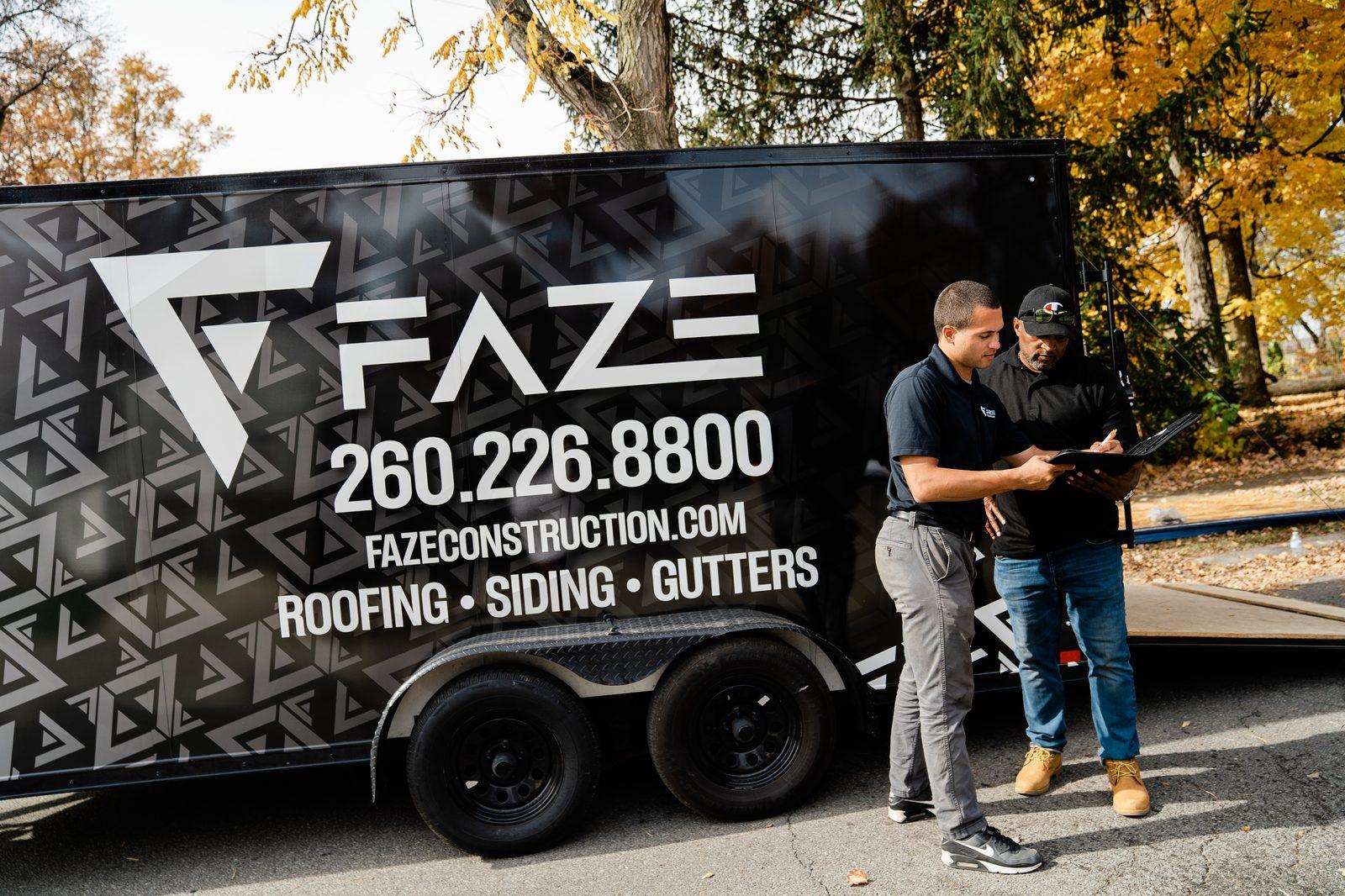
Your inspector takes photos of what they find, walks you through them, and leaves you with a written quote. You decide what happens next.
★ 4.9, 257 Google reviews
See your price range in about a minute, then book a free inspection and get your exact written quote.