Roofing | Faze Construction Blog
Roof color changes how your home looks, how hot your attic gets, and how long your shingles last. Five guides to the questions Indiana homeowners ask most.
Call (260) 226-8800Roof color changes how your home looks, how hot your attic gets, and how long your shingles last. These five guides answer the questions Indiana homeowners ask most when they pick a shingle color.
Choosing a roof color may seem like a minor detail, but it plays a big role in the appearance and function of your home. While the material you choose is important, the color you select can influence your home's energy efficiency, curb appeal, and even your cooling costs. Let's look at some essential points to help you decide if a lighter or darker roof is the best fit for your Indiana home.
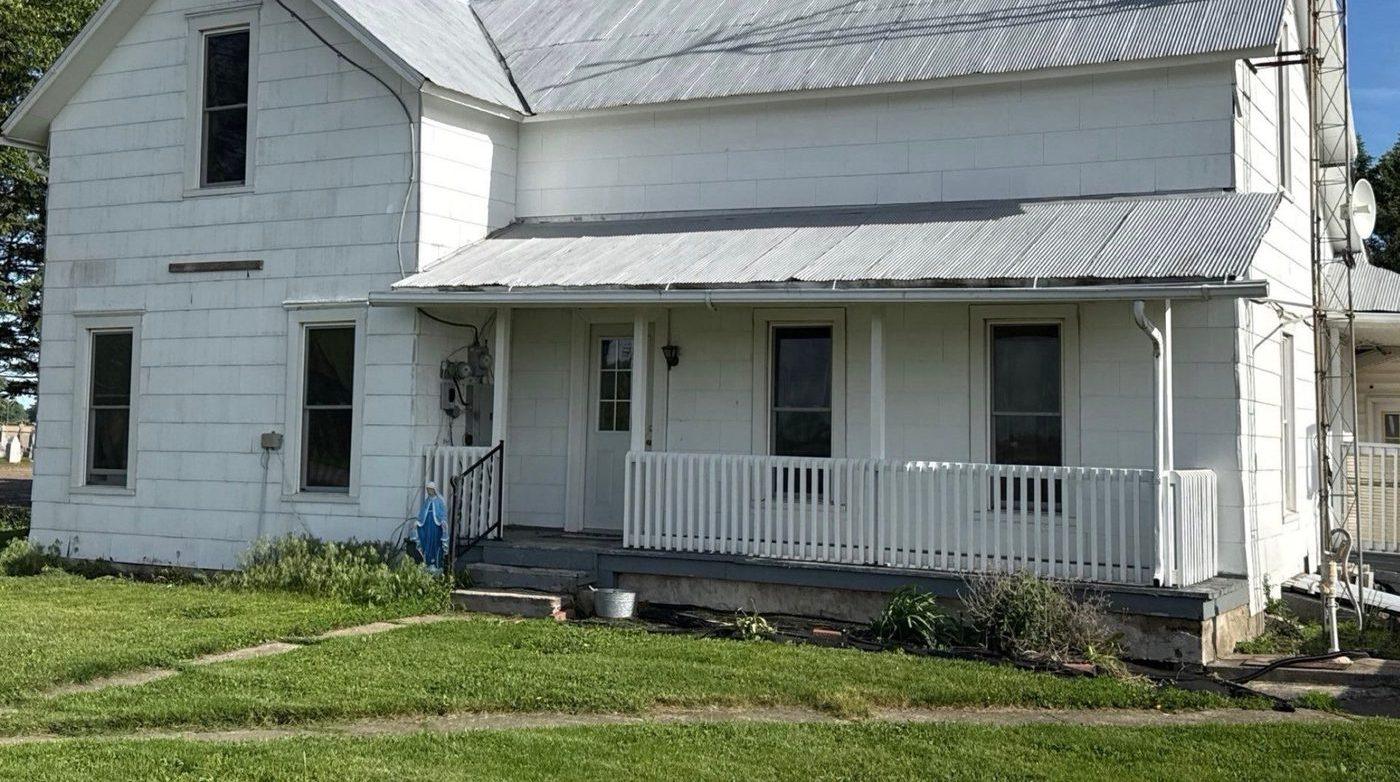
In Indiana, summers can be hot and humid, which makes the color of your roof a big consideration. Darker roofs, like black or dark gray, tend to absorb heat. While this can keep a home warmer during winter, it also means your air conditioning may work harder in the summer, increasing energy costs. If you're aiming for a cooler home and lower utility bills in the warmer months, a lighter roof color could be a better choice, as it reflects sunlight and reduces the amount of heat absorbed.
Some energy-efficient roofing options also exist that allow you to choose a range of colors without compromising on temperature control. Certain shingles and metal roofing options come with a reflective finish that helps deflect heat, regardless of the color you select.
Roof color should enhance your home's overall look. Many homeowners want their roof color to complement their home's exterior. You might choose a darker roof for a bolder, more classic contrast or opt for a lighter roof to create a balanced, monochromatic look. If your home has darker siding, a lighter roof color can add an eye-catching contrast, while a darker roof on a light-colored house creates a timeless appeal.
In neighborhoods with an established style, it's often wise to match your roof color with nearby homes for a more cohesive look. But if standing out is part of your style, consider a contrasting or unique shade that complements your exterior features, like shutters or doors.
A lighter roof color can make your home look larger by drawing the eye upward and creating a more expansive feel. This is especially effective if you have a smaller home or want it to feel more spacious. Darker roofs, on the other hand, can bring out architectural details and create a bold, dramatic look that adds depth to your home's appearance.
With Indiana's variable weather, both light and dark roofs have their pros and cons. Dark roofs can help snow melt faster, which can be beneficial in the winter, but they won't prevent snow buildup entirely. For many Indiana homeowners, the goal is to find a balance, picking a roof color that works in both the hot summers and cold winters. If you have good insulation in the attic, temperature differences from roof color may have less impact, giving you more flexibility in choosing a color.
It's also important to think about long-term maintenance. Lighter roofs can show dirt, algae, and stains more readily than darker roofs. If keeping your roof looking clean is a priority, a mid-tone or slightly darker shade might be a good compromise. However, some roofing materials, like certain types of shingles, are designed to resist staining and mildew, which can help keep your roof looking fresh, regardless of color.
Ultimately, your choice will depend on your style preferences and practical needs. If possible, ask for roofing samples to see how the color appears on-site, especially in different lighting. This hands-on approach can give you a better idea of the final look. You may also find online visualization tools useful for picturing how different colors work with your home's exterior.
Choosing the right roof color can do more than just make your home look beautiful, it can also influence the way people perceive its size. For homeowners in Indiana, where seasons swing from hot summers to cold winters, it's important to select a color that not only suits your home's architectural style but also helps create the illusion of a larger, more spacious house. Let's dive into how the color of your roof can transform the appearance of your home.
If your goal is to make your house appear larger, lighter-colored roofs are the way to go. Shades like light gray, soft beige, or even white can visually lift the roofline, making the house feel more open and airy. These colors create a sense of space and can help balance the overall proportions of your home. A light roof helps the eye travel upward, giving the illusion that the house is taller and more spacious than it might actually be.
Lighter roofs don't just offer visual benefits, they can also improve the comfort inside your home. Lighter colors reflect sunlight, which is especially beneficial during Indiana's warm summer months. By reflecting sunlight, these roofs help keep your home cooler, lowering your energy bills in the process. This makes lighter roofs a practical and aesthetic choice for homes in Indiana.
To achieve the illusion of a larger home, it's essential that your roof color complements the exterior paint. For example, if your home has light siding, like pale blue, cream, or light gray, pairing it with a similarly light-colored roof can unify the look and make the house seem more expansive. On the flip side, if you have darker siding, choosing a lighter roof creates contrast, which can also give the impression of a larger structure by making the roof stand out.
The goal is to create harmony between the roof and the rest of the home. If there's too much contrast or the colors clash, it can make the home appear smaller or more fragmented. A well-coordinated exterior, on the other hand, can help the house look bigger, more cohesive, and more inviting.
While dark roofs like black, brown, or deep gray can give a home a bold and dramatic appearance, they tend to make a house look smaller and more compact. Dark colors visually "pull down" the roofline, which can make a one-story home or smaller structure feel even more compressed. Additionally, dark roofs absorb heat, which can raise indoor temperatures during Indiana's hot summers, potentially leading to higher cooling costs.
If you live in a larger home, or if your house has high ceilings, a darker roof might not be as much of a concern. But for those with smaller or single-story homes, a lighter roof will help expand the visual size of your house, making it seem bigger than it actually is.
Indiana's climate plays a big role in how different roof colors perform. As mentioned, light-colored roofs reflect more sunlight, helping to keep your home cooler in the summer. Darker roofs, while they might retain heat and offer some benefits during the winter, can make your home feel stifling during those 90-degree days. Opting for a lighter roof color will not only help with energy efficiency but also create that larger, airier look you're aiming for.
Additionally, Indiana's winters can bring heavy snowfalls. Light-colored roofs, like gray or white, may help camouflage the snow, making your home appear cleaner and more cohesive during the colder months. This is an added visual bonus for choosing a lighter color, especially if you want your home to have a neat, crisp look year-round.
Another important consideration is the aesthetics of your neighborhood. Take a walk or drive around to see what colors your neighbors have chosen. While you want your home to stand out, blending in with the overall neighborhood vibe can help maintain property values and ensure your home doesn't look out of place. In Indiana, neutral tones like light gray, beige, or soft browns are often a popular and practical choice for roofs.
It's also important to keep any local homeowner's association (HOA) rules in mind when selecting your roof color. Some HOAs may have guidelines or restrictions on the colors you can choose, so be sure to check if there are any limits before finalizing your decision.
The key to making your house look larger is to choose a roof color that enhances the architecture, complements the exterior, and works well with Indiana's seasonal weather. Lighter tones are generally best if you're aiming to maximize the perception of space. However, personal style is just as important, so don't hesitate to choose a color that reflects your taste while keeping these principles in mind.
Don't forget to sample your chosen roof color in different lighting conditions. What looks good in the store or on a brochure might not have the same effect when it's on your home. Seeing how the color changes throughout the day can give you a better sense of how it will look year-round.
When it comes to boosting the value of your Indiana home, choosing the right roof color can make a big difference. Your roof is not only a major part of your home's curb appeal, but it can also impact energy efficiency and overall resale value. So, what color roof should you pick to enhance your home's value in Indiana? Here are some key considerations to help you make the right decision.
Indiana experiences hot summers, cold winters, and everything in between. This means the color of your roof can play a role in how comfortable your home feels and how much you spend on energy bills.
Finding a balance that works for both summer and winter can be important when selecting your roof color. For Indiana homeowners, neutral colors like gray, black, or brown are popular because they offer a classic look while still being practical for the varying climate.
A home's curb appeal plays a significant role in attracting potential buyers. The roof takes up a large part of your home's exterior, so the color you choose should complement the rest of the house. A well-matched roof color can make your home more attractive, potentially increasing its resale value.
Selecting a color that complements the architectural style of your home and the surrounding neighborhood can also boost the visual appeal. A house that stands out too much from its neighbors might not be as appealing to buyers, so it's best to choose a color that blends well with other homes in your area.
If energy efficiency is a concern, roof color becomes even more important. Light-colored roofs can help reduce cooling costs during the summer by reflecting more sunlight. Darker roofs, while stylish, may raise cooling costs but could help reduce heating expenses in the winter.
If you want to strike a balance between aesthetics and energy savings, cool roof options in lighter shades such as white or light gray are becoming more popular. These colors reflect sunlight and reduce the amount of heat absorbed by your home, making them ideal for homeowners looking to save on utility bills.
The material of your roof is just as important as the color. Asphalt shingles are a popular choice due to their affordability and wide range of color options. If you're looking for something more premium, architectural shingles offer enhanced durability and visual appeal, which can further increase your home's value.
Different architectural styles suit different roof colors. For example:
By matching the color of your roof to your home's style, you can create a cohesive look that enhances the overall appearance of your property.
Choosing the right roof color can make a significant difference in the value of your Indiana home. Neutral colors like gray, black, and brown remain popular choices for their versatility, while light-colored roofs can offer energy savings. Keep in mind Indiana's climate, the style of your home, and your long-term energy needs when making your decision. A well-chosen roof color not only adds to your home's curb appeal but can also increase its resale value.
Choosing the right color for a shingle roof is not just about aesthetics or complementing the exterior of your home. In places like Indiana, where the weather can swing from intense summers to frigid winters, the color of your roofing shingles can also significantly impact their longevity and efficiency. This post delves into how different colored shingles perform under Indiana's unique climate conditions and which colors can offer the most durability over time.
Roof shingle color can influence two key aspects of a roof's performance: its ability to reflect solar heat and its susceptibility to UV damage. Light-colored shingles are generally known for their reflective properties, while dark-colored shingles absorb more heat. This basic distinction plays a crucial role in determining the lifespan of your roof in Indiana.
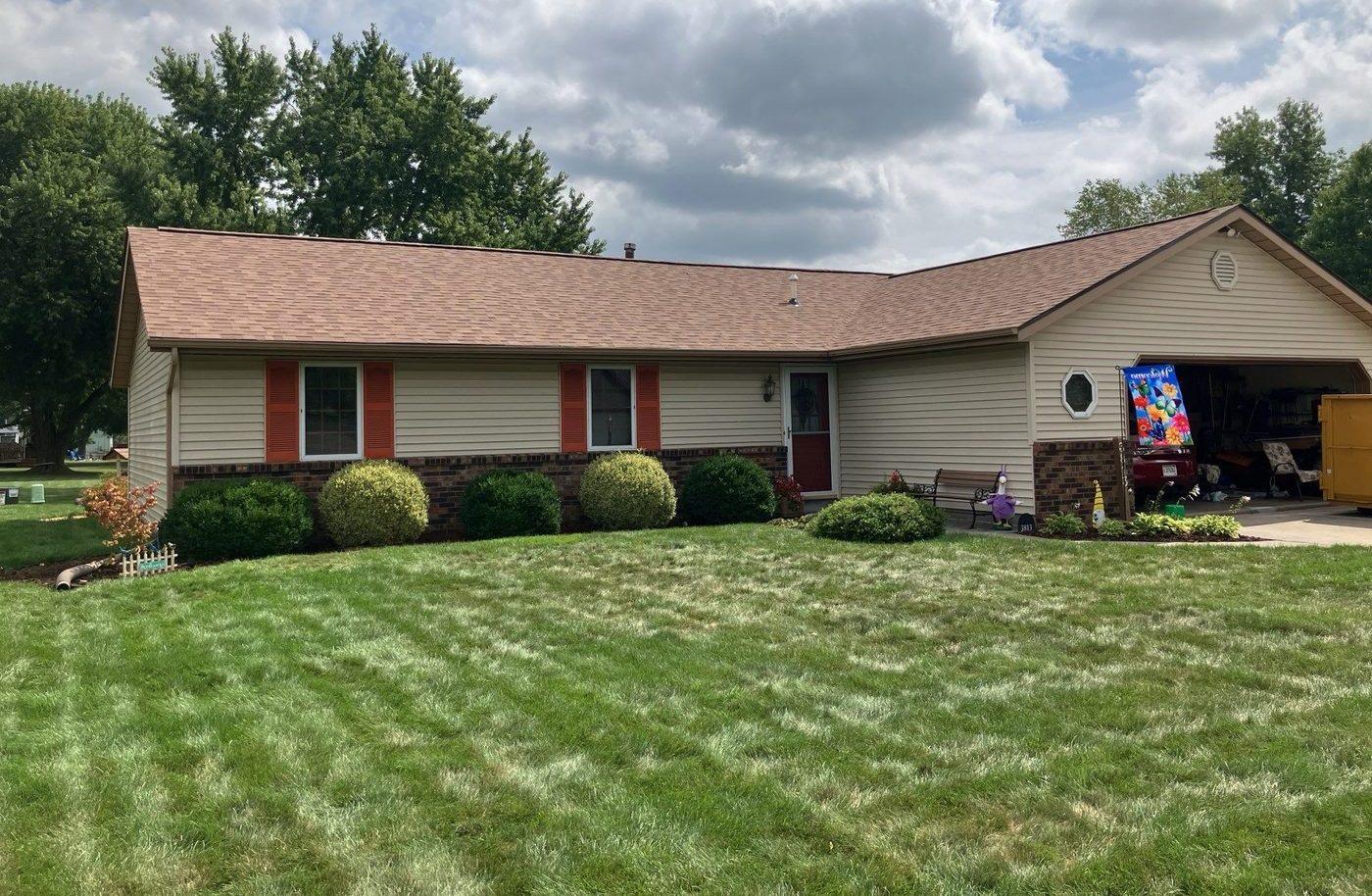
In Indiana, the summer sun can be quite intense, leading to significant heat accumulation in attics and upper floors of homes. Light-colored shingles, such as white, light gray, and tan, reflect more sunlight and absorb less heat compared to their darker counterparts. This not only helps in keeping cooling costs down but also reduces the thermal aging of the shingles caused by excessive heat.
Conversely, dark-colored shingles absorb more heat, which can speed up the degradation of roofing materials over time. However, during the colder months, this heat absorption can be beneficial as it helps melt snow and ice off the roof more quickly, potentially preventing ice dams, a common issue in Indiana winters.
UV rays from the sun can cause significant damage to roof shingles, regardless of their color. However, darker shingles might show less visible fading over time compared to lighter ones. UV-induced degradation isn't just about aesthetics; it can affect the physical integrity of the shingles. Modern roofing materials often include UV inhibitors, which can help reduce this damage, but the fundamental color effects still apply.
Considering Indiana's climate, homeowners need to strike a balance between thermal efficiency and material durability. Here's how different shingle colors stack up: Light-Colored Shingles
Pros:
Cons:
When selecting the color of your shingle roof in Indiana, consider the following factors:
In conclusion, the best shingle color for longevity in Indiana largely depends on your specific location, home's architectural style, and personal preferences. Lighter-colored roofs tend to last longer due to their ability to reflect heat, reducing thermal wear and tear. However, the benefits of dark-colored shingles during the winter months cannot be overlooked. Consulting with a professional roofing company in Fort Wayne can provide you with tailored advice, taking into account the specifics of your home and local climate. This way, you can choose the most durable and efficient color for your new roof.
When considering a new roof for your Indiana home, choosing the right color is more than just an aesthetic decision, it can affect energy efficiency, maintenance, and overall comfort. Many homeowners are drawn to black roofs for their bold, modern look, but before you commit, it's important to understand the potential downsides. Consulting with a roofing company in Indiana can help you make the best choice, as local climate and weather patterns greatly impact how black roofs perform, affecting everything from energy costs to maintenance requirements.
One of the primary drawbacks of a black roof is its tendency to absorb and retain heat. Dark colors, especially black, naturally attract more sunlight, making your roof significantly hotter in the summer. In Indiana, where summers can get warm and humid, this can raise the temperature inside your home, particularly in the attic and upper floors. As a result, your cooling system has to work harder, leading to higher energy bills. A black roof may cost more to cool in the summer compared to lighter-colored options, making it a less energy-efficient choice.
For homeowners who want to offset this effect, adding roof insulation or installing a reflective underlayment can help, but these measures may add to your initial installation costs. If you're concerned about energy efficiency, a lighter-colored roof may offer a more cost-effective solution in Indiana's varied climate.
Black roofs face faster wear and tear because of how much heat they absorb, and this can shorten their lifespan. Indiana's weather, which includes hot summers, cold winters, and occasional storms, creates expansion and contraction cycles for your roof. The intense heat absorbed by black shingles speeds up this process, causing shingles to curl, crack, or even blister over time. In addition, heat stress can weaken the material, making it more susceptible to damage during heavy rains or windstorms.
Since the roof's durability is compromised, black roofs may require more frequent repairs or even early replacement compared to lighter colors. Opting for a black roof in Indiana means you may need to budget for additional maintenance costs or plan for a shorter roof lifespan.
Because black roofs show dirt, debris, and moss more easily, they tend to need more regular cleaning. Indiana's climate can contribute to moss and algae growth, especially in shaded or damp areas, which appear more prominently on dark roofs. Moss and algae not only affect the roof's appearance but can also trap moisture, potentially leading to leaks or water damage if left untreated.
Regular maintenance like roof cleaning, inspecting for moss growth, and checking for water pooling is necessary to keep a black roof in top condition. Pressure washing can be effective but may also wear down shingles if done too frequently. In areas where dirt buildup and grime are more common, the darker surface will show these elements faster, making your roof look older or less maintained than it might actually be.
A black roof's tendency to absorb and retain heat can also impact the local environment. This phenomenon, known as the "urban heat island effect," happens when clustered buildings with dark roofs create a pocket of elevated temperatures. This effect can be noticeable even in residential areas where several homes have black or dark-colored roofs, which increases the surrounding air temperature.
For environmentally-conscious homeowners, choosing a black roof may come with trade-offs. Black roofs are less reflective than lighter-colored or "cool roofs," which reflect more sunlight back into the atmosphere. Choosing a lighter roof color can help reduce the urban heat island effect and lower energy consumption.
In some areas, building codes may restrict certain roofing colors or require specific materials to meet energy efficiency guidelines. Although Indiana doesn't have strict mandates like some other states, it's still wise to check with your local building authority before installing a black roof. Homes with less energy-efficient roofs may not meet future energy codes, which could impact resale value or require an upgrade if codes change.
Choosing a roofing color that's within local guidelines not only ensures compliance but can also be a selling point if you decide to put your home on the market. Lighter colors are more likely to align with energy-efficiency goals, whereas black roofs might require additional justification or proof of insulation to meet certain standards.
While black roofs have a modern, stylish appeal and can provide some winter heating benefits by retaining warmth, they also come with a few notable drawbacks. Indiana homeowners may find that the increased heat absorption, added maintenance, and environmental impact make it less practical compared to lighter roof colors. Balancing aesthetics with functionality is essential for long-term satisfaction with your roofing choice.
Related service: Roof Replacement in Fort Wayne | See your price range on the Pricing page
Choosing a roof color may seem like a minor detail, but it plays a big role in the appearance and function of your home.
Choosing the right roof color can do more than just make your home look beautiful, it can also influence the way people perceive its size.
Choosing the right color for a shingle roof is not just about aesthetics or complementing the exterior of your home. In places like Indiana, where the weather can swing from intense summers to frigid winters, the color of your roofing shingles can also significantly impact...
4.9 stars from 257 Google reviews. Here is what Fort Wayne homeowners said in their own words.
“Faze inspected my roof and found storm/hail damage and was able to work with my insurance company to get new roof installation. Faze worked for my benefit and provided excellent service. Faze went the extra mile every step of the process and ensured that I was informed and answered any questions that I had along the way. I would recommend them to my closest friends and family!”
Richard Short
“Faze Roofing and Construction came out and gave us an inspection and quote the same day. They were out the next week right before Thanksgiving and had the roof completed within a day. Super happy with the professionalism and work that was done. Their pricing was super competitive! We look forward to using them for our Christmas lights this winter and in the future!”
Maegen Barbour
Tell us about your home and your project. The form takes about two minutes, and a Faze team member follows up to confirm your inspection time.
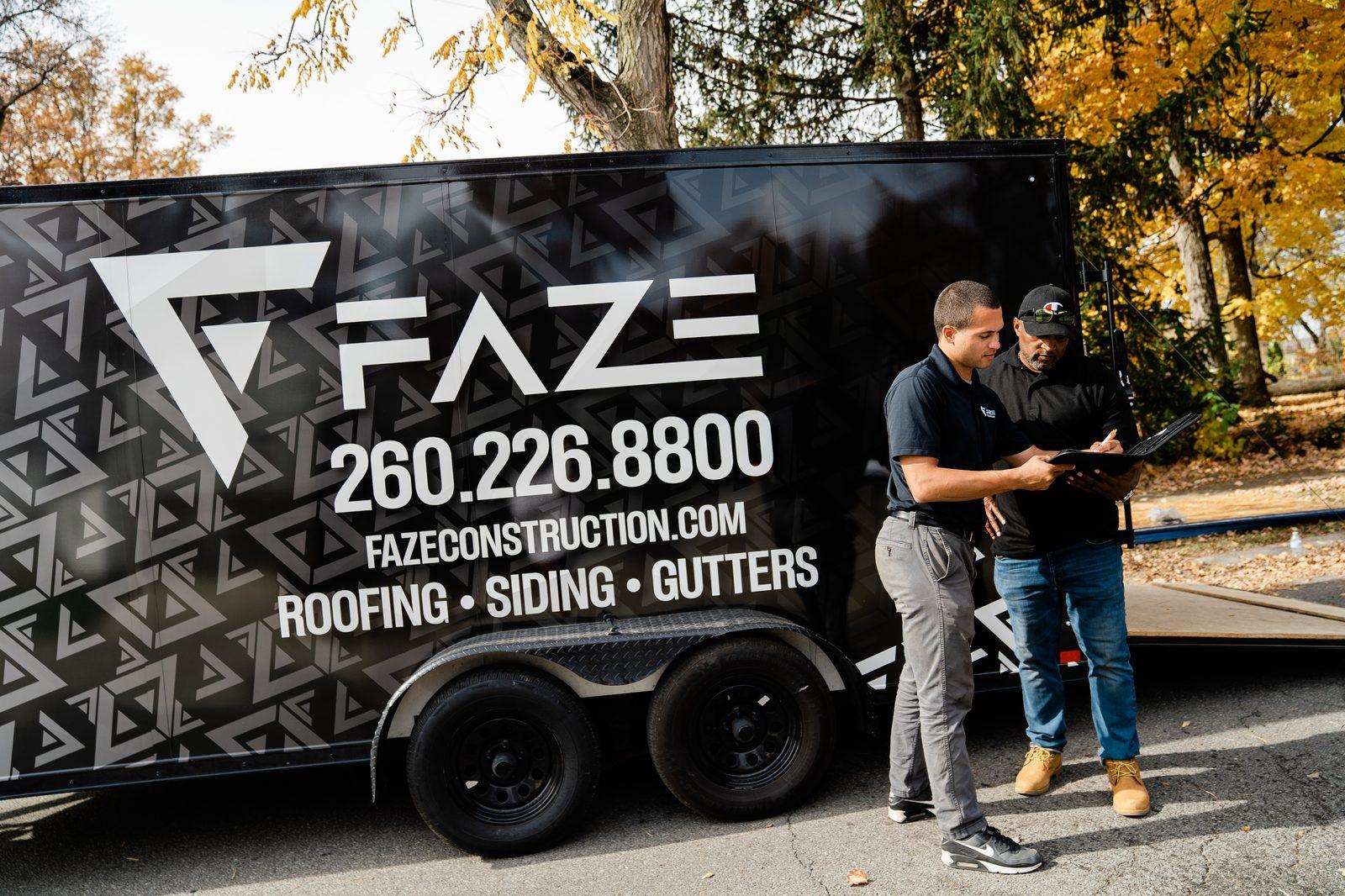
Your inspector takes photos of what they find, walks you through them, and leaves you with a written quote. You decide what happens next.
★ 4.9, 257 Google reviews
See your price range in about a minute, then book a free inspection and get your exact written quote.